Why salt stops the patina of Corten steel
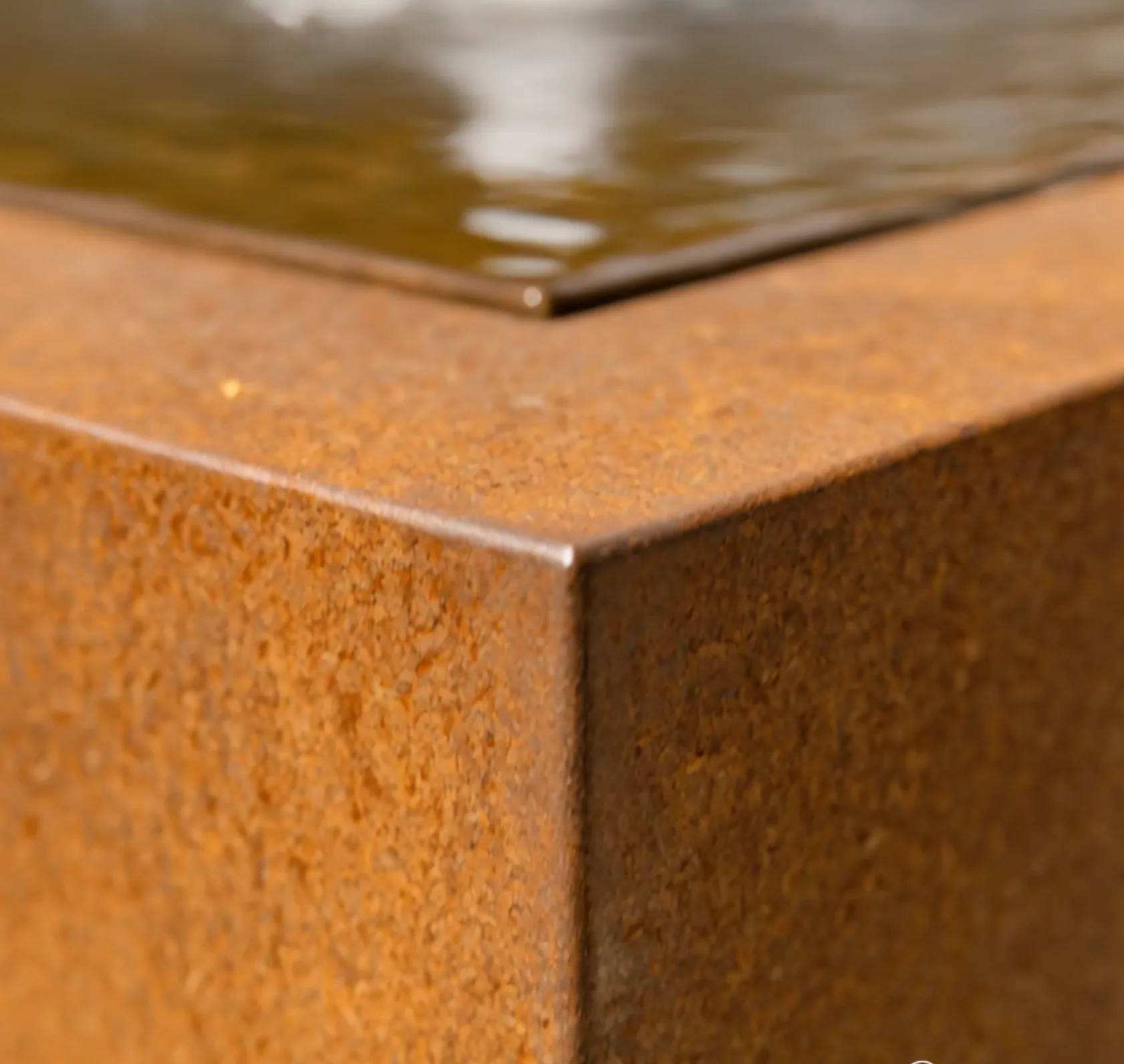
Corten steel protects itself through its patina, a dense, tightly bonded oxide layer that builds up to the rhythm of rain and drying. This cycle is essential: it is the alternation between a wet surface and a dry one that tightens the patina and makes it protective. Our Corten steel guide explains this mechanism in detail.
By the sea, spray brings chlorides, in other words, salt. Deposited on the metal, they hold on to the moisture in the air: the surface never really dries, even in fine weather. The cycle breaks down, the patina cannot stabilise, and corrosion, instead of slowing, carries on. What then appears is a darker rust that flakes or delaminates in places, instead of the velvety, even patina that gives Corten steel its beauty.
This is not a weakness peculiar to one brand or one grade of steel: it is the very nature of weathering steel. The engineers who use it for bridges and civil structures know this, and avoid marine environments and areas exposed to salt.
Assessing your exposure to salt
Not all coastal gardens are exposed in the same way. Distance from the sea matters, but it is not the only factor: the prevailing wind, the lie of the land, the height, the vegetation and even the orientation of the terrace change everything. A few questions will help you place your project.
- Can you taste salt on your lips, or see whitish deposits on the windows and the furniture after a gale? Sea spray reaches your garden.
- Is the terrace on the front line, facing open water, with no planting or building between it and the sea?
- Does the prevailing wind blow in from the sea? A garden downwind receives far more salt than one sheltered behind a hill or a house.
- Does rain wash the surfaces regularly? A rainy climate rinses the salt away; a dry one lets it build up.
If you answer yes to the first two questions, your garden is directly exposed: raw Corten steel has no place there. If your house is set back, sheltered, on high ground or behind a screen of planting, the situation is more nuanced, and deserves a conversation with the House.

Hélios fire table
High above the water, away from direct spray: a more nuanced situation, assessed case by case with the House.
The House’s answer: powder-coated aluminium
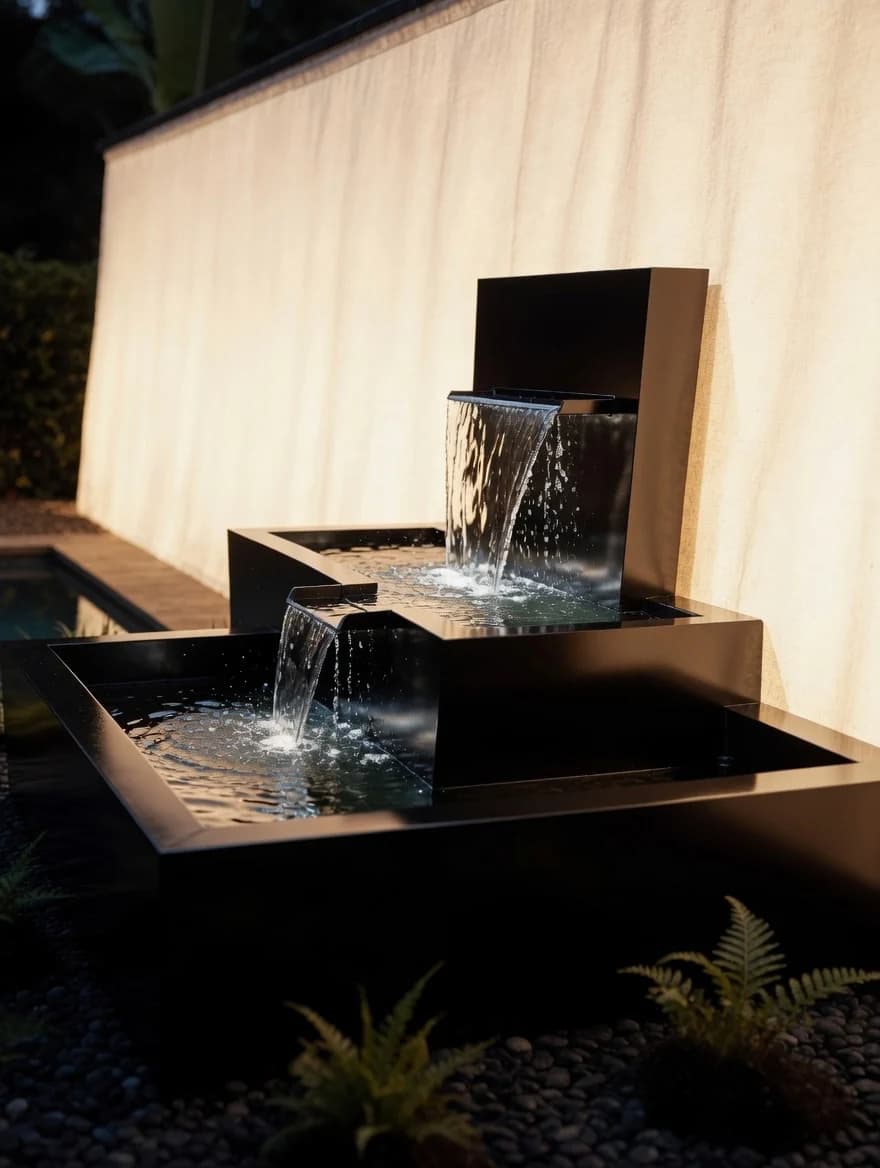
For the coast, the House has designed several of its pieces in powder-coated aluminium. Aluminium does not rust; powder coating, a powder paint baked in an oven, gives it a dense, matt and durable surface. These pieces take up the lines and proportions of their Corten steel sisters: they do not have the patina, but they keep the same design language.
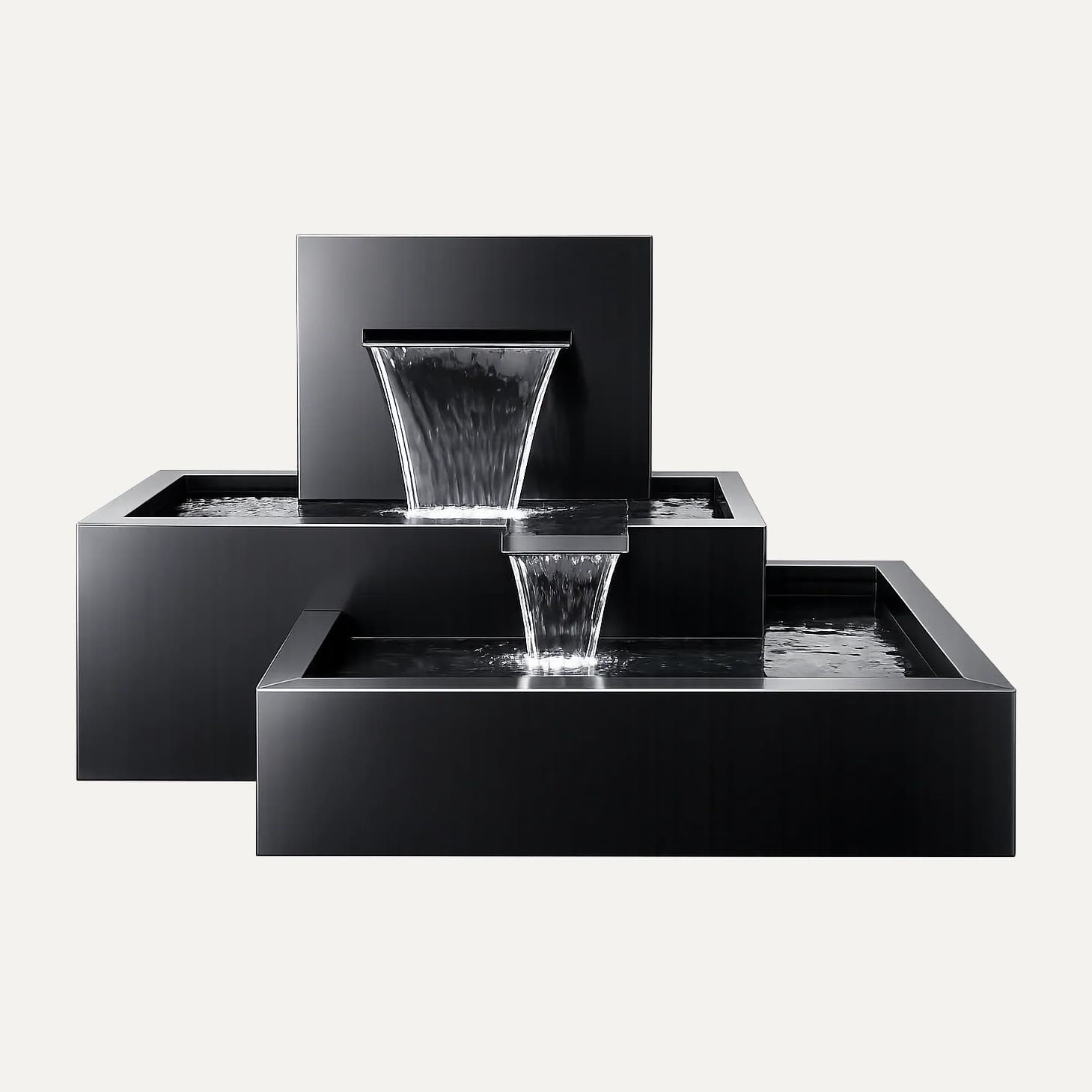
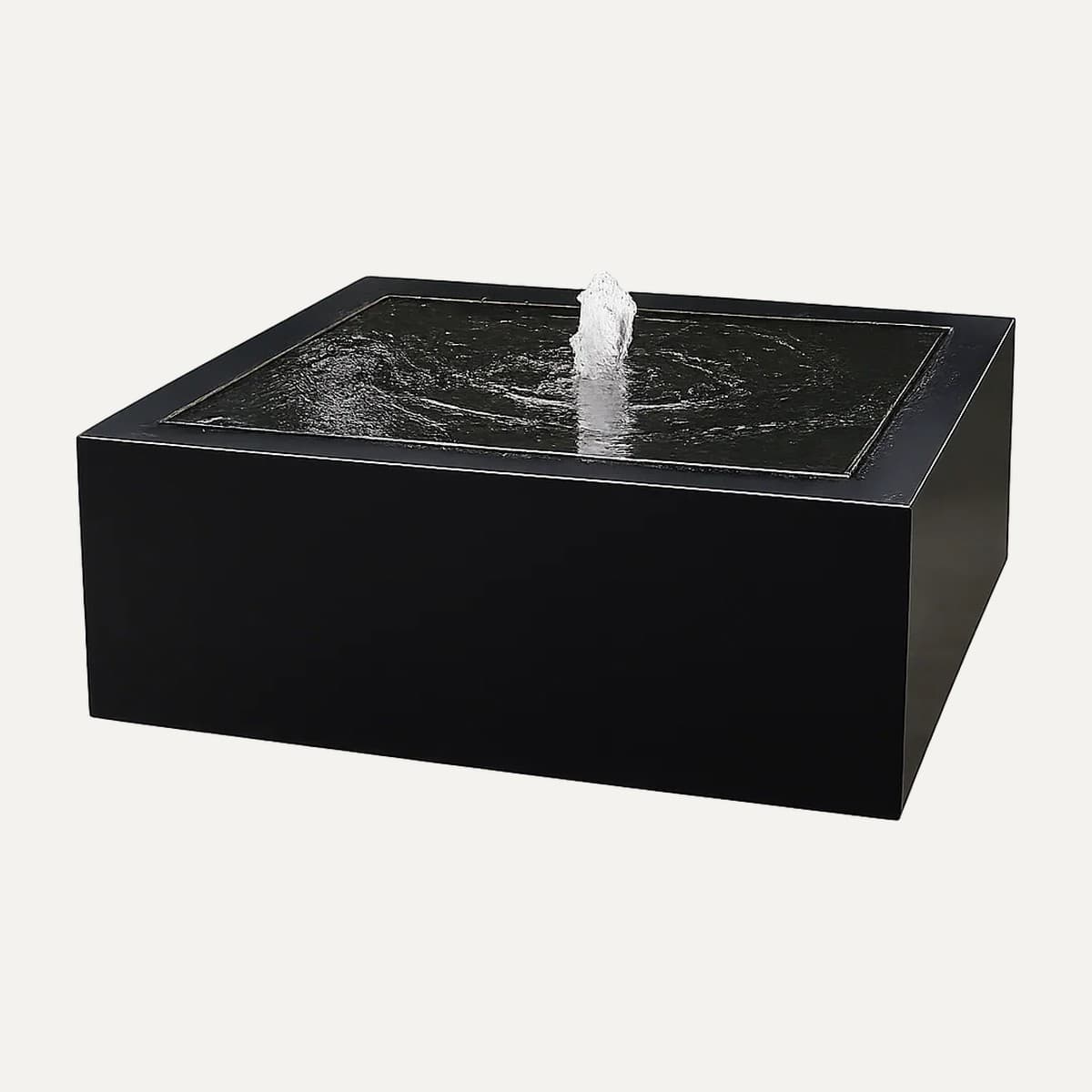
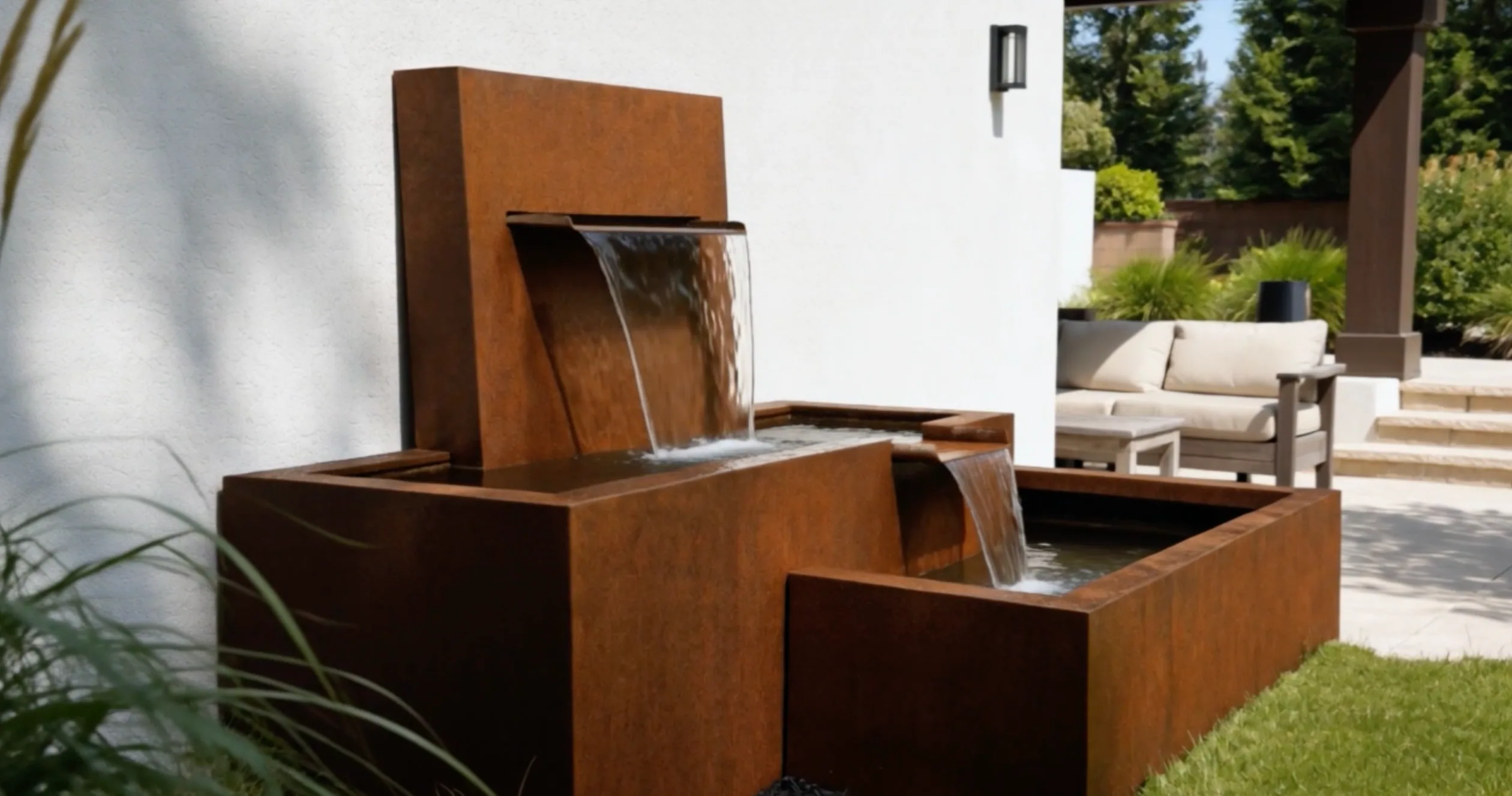
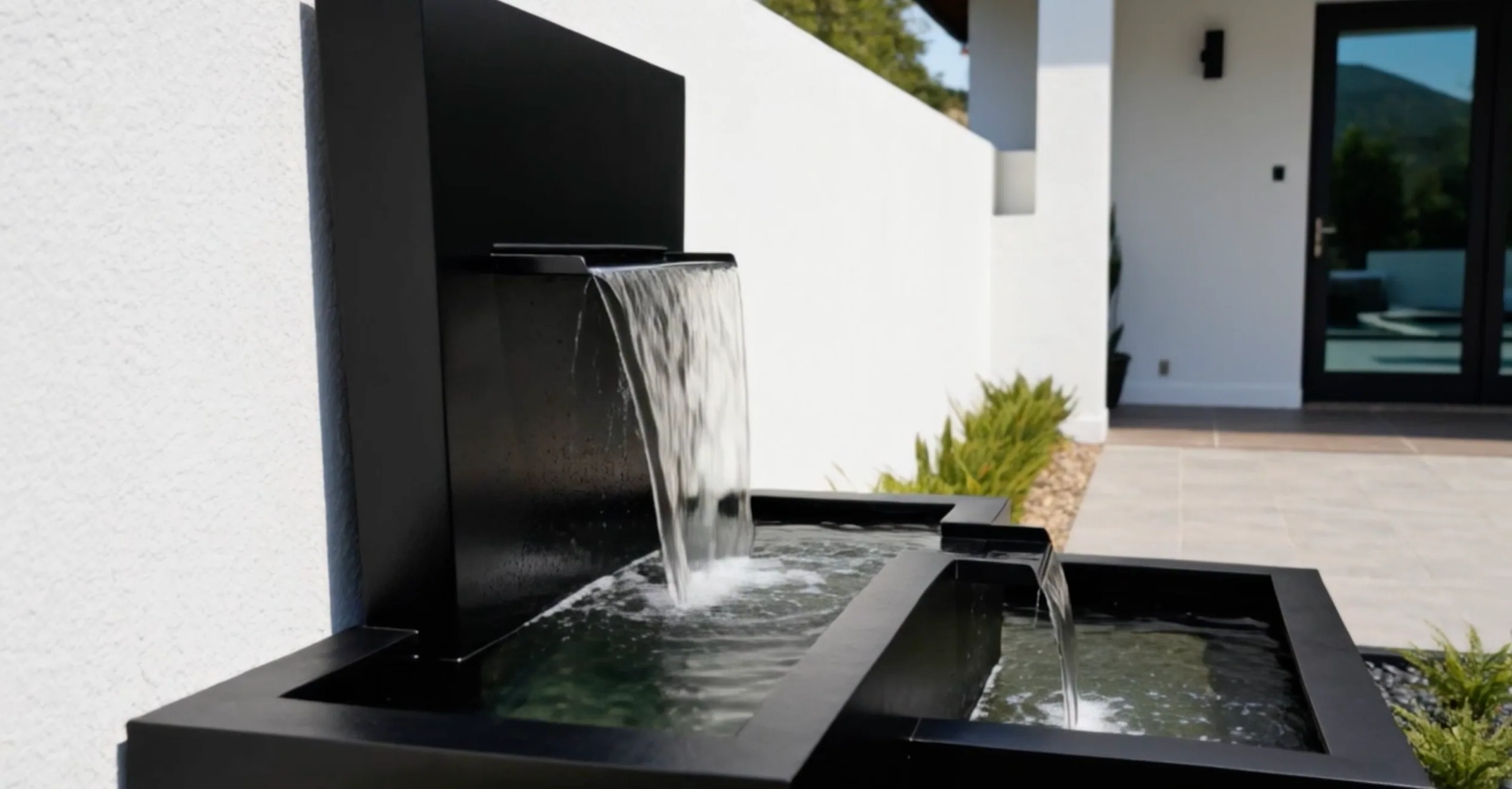
- Fountains: the Nereida aluminium cascade fountain, the Alban aluminium square fountain, the Elio aluminium round fountain, and water walls and water blades in aluminium.
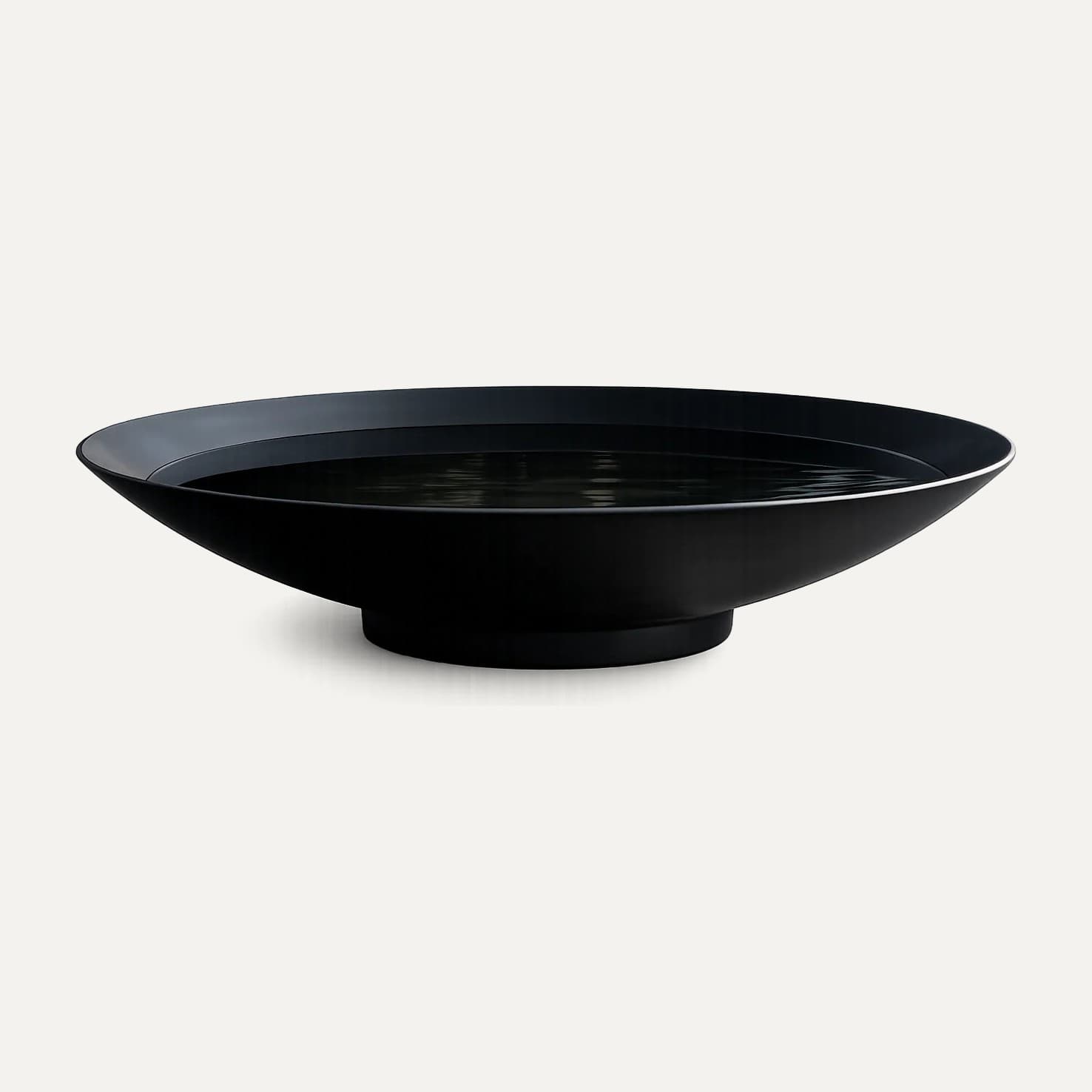
- Reflecting pools: the Sélène aluminium water bowl and the round aluminium water basin.
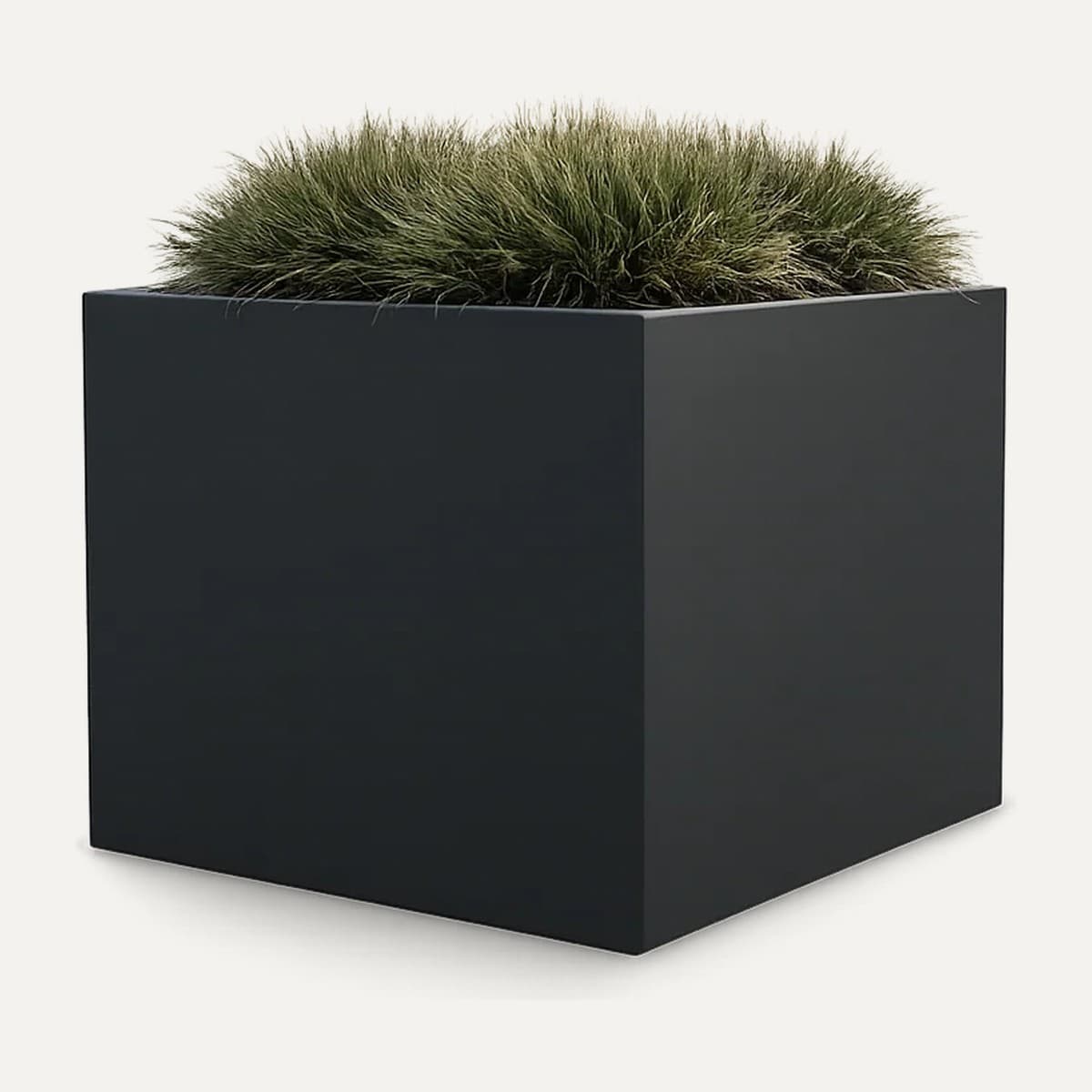
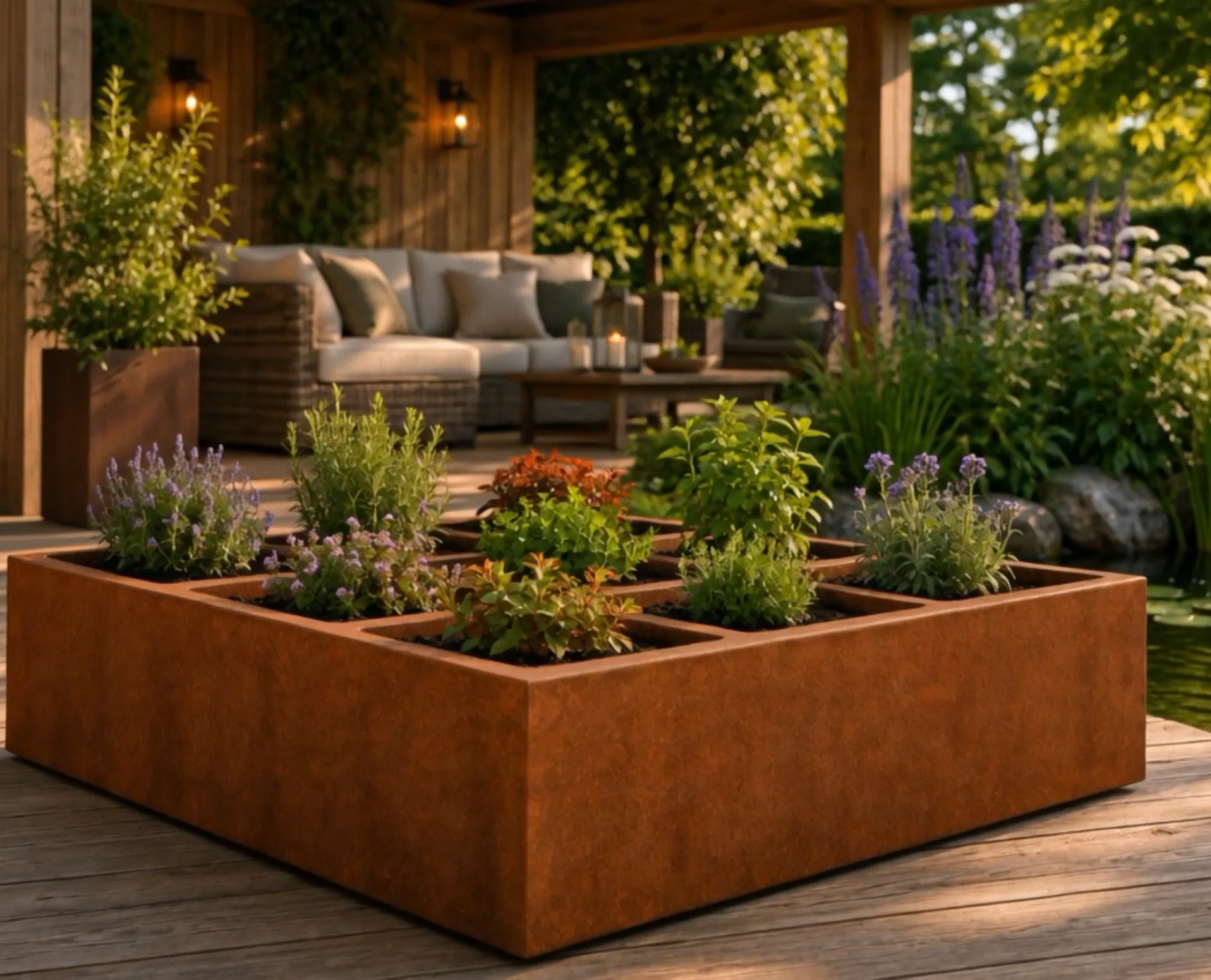
- Planters: the Cybèle aluminium planter, the Callisto aluminium round pot and most of our shapes, offered in eight RAL colours, from white to black.
- Log stores: several models in aluminium, also in eight colours.
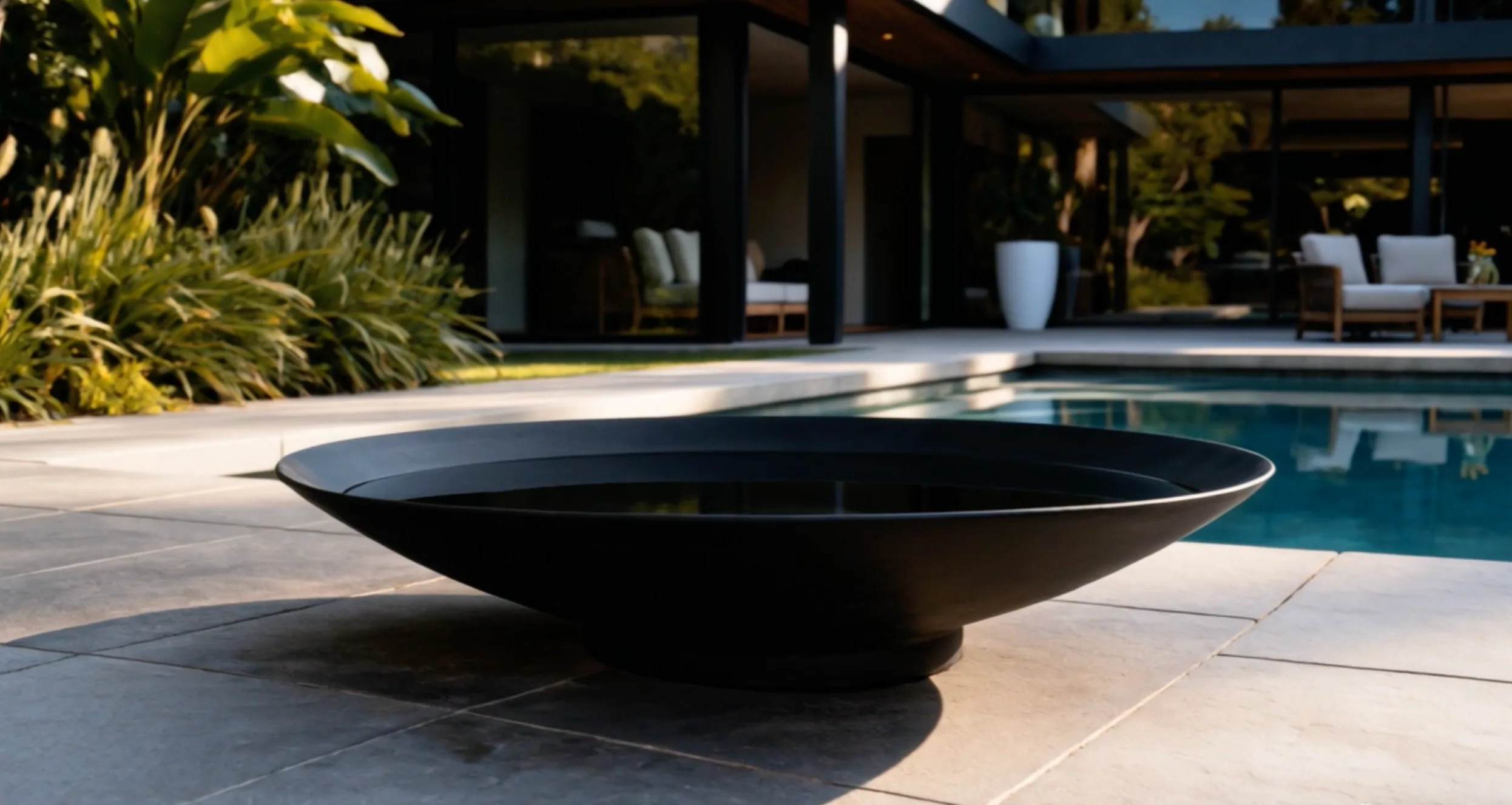
Sélène aluminium water bowl
The Sélène water bowl in powder-coated aluminium: the line of its Corten steel sister, designed for exposed gardens.
An aluminium planter facing the ocean, a Corten steel piece in the shelter of the house: this is often how a coastal garden is composed, with Corten steel reserved for the protected areas. The two materials converse beautifully, the black, white or anthracite grey of the aluminium underlining the warmth of the patina.
If you are set on Corten steel: the conditions
Further back from the coast, sheltered from direct spray, a Corten steel piece can find its place. The House assesses it with you case by case, from photographs and a description of the setting. In that case, a few rules apply.
- Choose the varnished finish wherever the piece offers it. The protective varnish, applied in the workshop over the patina, forms a barrier between the metal and the salt. Fire pieces, which are offered without varnish, are best kept for the most sheltered spots.
- Place the piece in shelter, behind the house, a hedge or a low wall, never facing the sea wind.
- Rinse with fresh water regularly, especially after a gale, to remove salt deposits.
- Take care of drainage: raise the piece, drain it, and never let water stand at its foot or in its corners.
- Keep watch: at the slightest persistent whitish deposit or the first sign of flaking, contact the House.
Swimming pools, saltwater pools and spas
A swimming pool poses the same problem as the seaside, in a more concentrated form: chlorinated water, and even more so the water of a saltwater pool, contains chlorides that attack the patina. A Corten steel piece can accompany a pool on three conditions: place it back from the splashes, choose the varnished finish so that the coping is also protected from run-off, and rinse it with fresh water whenever it gets splashed.
For a piece in direct contact with the pool water, such as a basin that overflows into it or a fountain that spills into it, powder-coated aluminium remains the most serene choice. Our guide Installing a Corten steel fountain returns to these situations.
Caring for an outdoor piece near the sea
Whatever the material, salt calls for regular rinsing with fresh water. A garden hose, a soft sponge, and that is all: never an abrasive product, a wire brush or a pressure washer at close range. For a varnished Corten steel piece as for a powder-coated aluminium one, this simple habit preserves the surface for years. Everything else is in our guide Corten steel care.
Every piece from the House, in Corten steel as in aluminium, is designed in France, crafted in Europe to order and guaranteed for two years. Discover our fountains, our planters and our water basins, in Corten steel or in aluminium, or entrust us with a bespoke project for a house by the sea.